Posted on Leave a comment

Oil Paintings for Sale

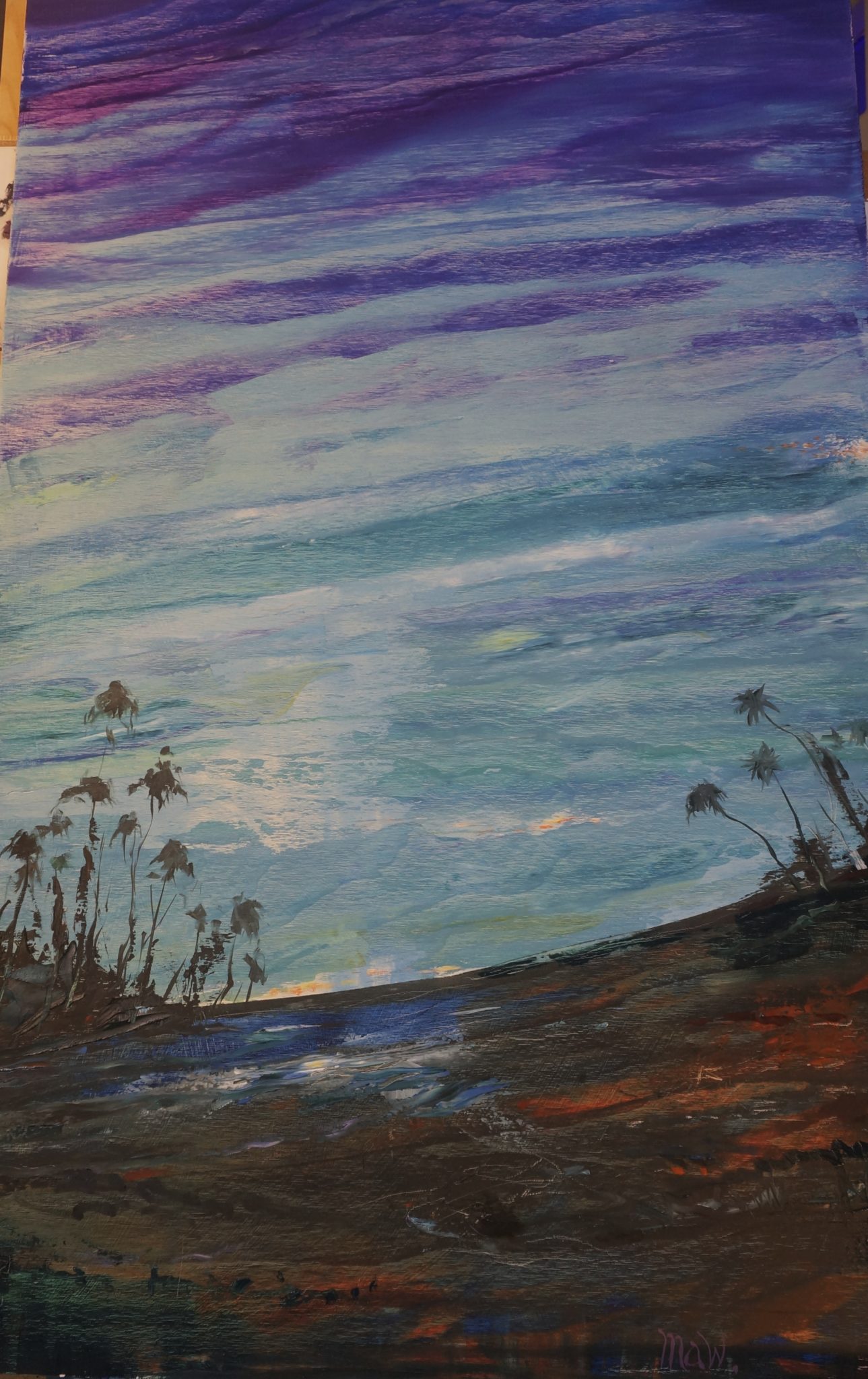
There are many places to find oil paintings for sale.  I live in San Diego where the weather is excellent for street faires almost year round.  Artists display their art at parks, boulevards and outdoor venues.  It is remarkable how often you can find very good, original art at these casual display booths.  Prices are usually low and you are buying original art!  A notch above this are the juried shows.  These are often still outdoor venues but the class of artists is of a higher quality.  They have had to submit their work for approval and entrance into the show.DSC02667
Most Cities and towns have abundant galleries to visit.  These are not museums but privately owned galleries.  The gallery owner finds ’emerging artists’ who are willing to allow substantial cuts to the gallery owner, sometimes as much as 50%.  So, of course be prepared to spend considerably more.  These relatively small, private galleries are business ventures who are quite discriminating with what kind and type of paintings they will display.  They are usually looking for an artist who generates a consistent style or theme.  It is dissapointing to find art work that appear as spin-offs of tried and true, often nostalgic themes.  Kinkaid (the painter of light), was very successful selling these bucolic, nostalgic paintings.  There were many people who were satisfied with a decent print (a giclee) when the gallery prices for an original began to be in the $20,000 – $40,000 range.

There are many art lovers today who appreciate good oil painting but want to search on-line.  You will be surprised at how many options there are through Google.  Some web sites are poorly arranged and difficult to navigate, but there is usually a phone number to call.  Many emerging and even mature, seasoned artists have elected to let other established sites carry their work rather than develop their own.  These kind of sites are often professionally set up and easy to navigate.  You can arrange for delivery and make payments through portals such as PayPal.  The actual oil painting, once delivered will always be more stunning, more alive and more dynamic than what you view on line.
Posted on Leave a comment

How to Start an Abstract Painting

How to start an Abstract painting

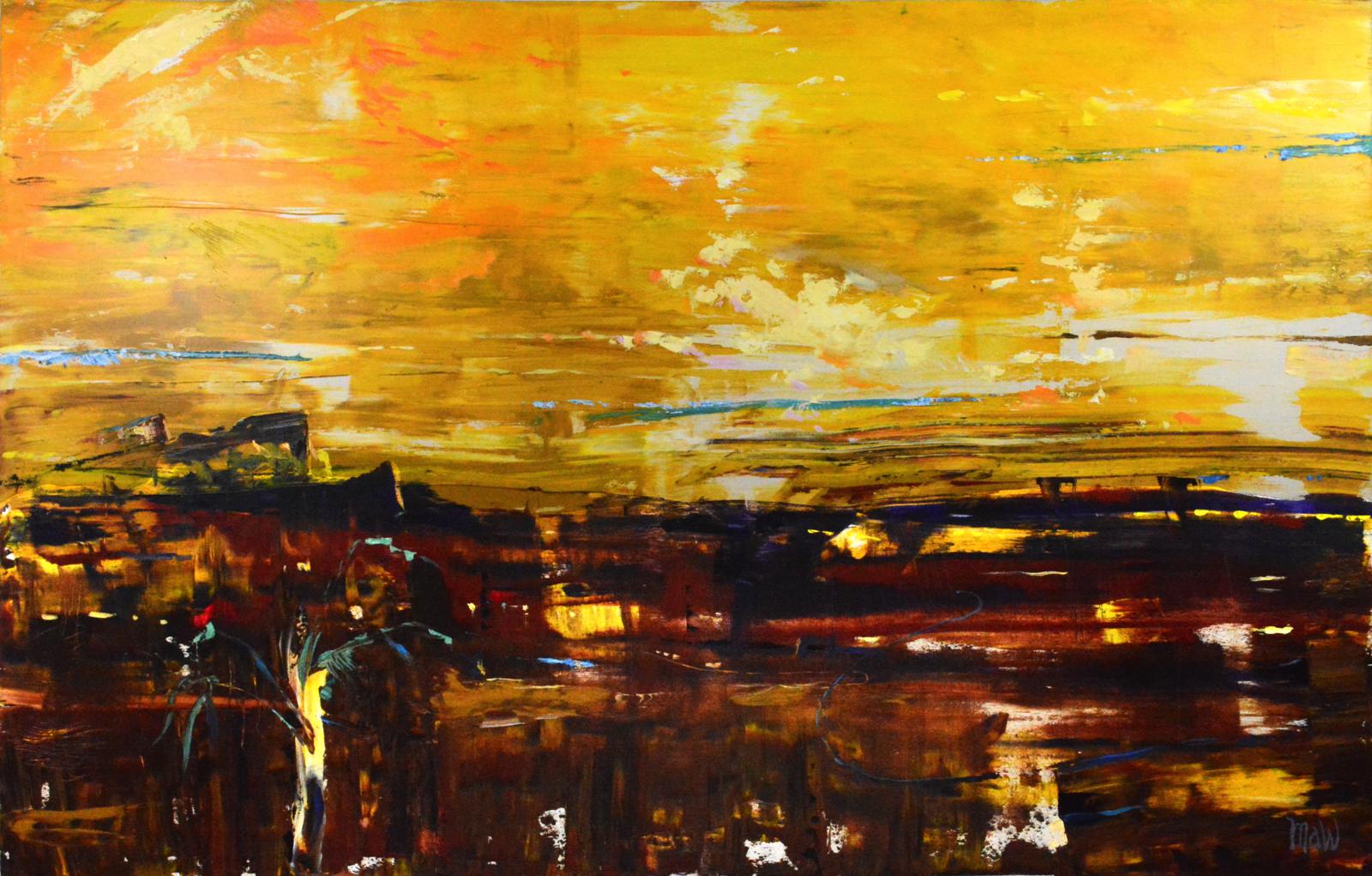
03Especially for the novice painter, commencing an abstract painting can be intimidating. There are no visual clues or subject references which realistic painting offers. I will briefly describe the process I often use – the ‘drag painting’ technique. Gerhardt Richter is probably most noted for this method. I recommend using hardboard or primed plywood panels, preferably large and reinforced to keep them straight. Using the board instead of canvas takes more setup but helps immensely with the process when it comes time to literally drag paint across the surface. This drag technique is an excellent way to start an abstract painting.
It is best to work flat. Squeeze out the colors you want across the board, with a liberal use of white. These might appear as semi-planned globs on the hard panel. Take a squeegee and pressing hard go from one side to the other in a firm, deliberate pass across the board. Keep working yourself down the panel in this manner,dragging the pigment horizontally. Try to be quite firm to leave a minimum of paint on the surface. Stand back and admire the accidents and surprises that will come from this effort. I am always surprised at the affects that are created. It is necessary to wipe and clean off the squeegee through the process so that each swipe is fairly clean.
This can be done in one sitting. I rarely consider this the final step in developing an abstract painting but this provides an excellent background or base to work from. I set this aside to dry for about two weeks. If I am anxious to work on it, setting it out in the sun speeds up the drying. I try to have a couple of these laying around to work on after they dry. The purpose of this brief article is to give you an idea how to start an abstract painting. This drag technique will give you an excellent way to get paint on the surface. It is certainly possible to make it tonally very deep or very light depending on the colors you use. White will quickly be absorbed. You will quickly discover the best locations to apply the ‘gobs’ of pigment. Admittedly this does tend to waste expensive oil paint. What you do get, as a beginner or a novice is an very creative way to create a base for your painting. It already has the look of an oil painting.
Canvas of course can be used though the effect is not as dramatic. If you use store bought canvas, I suggest at least two coats of gesso first to fill the exposed pattern of canvas — in other words the smoother surface, the better. I intend in the near future to do a demo video which will quickly explain this process more completely.