There are three reasons in buying art. The first is of course buying a piece of art because of its inherent beauty and that it appeals to you personally. It strikes a deep inner chord for you, so much that you want to put it on a prominent wall. It becomes like a reminder for you of beauty, of a deeper spiritual world. The painting gives you visual pleasure.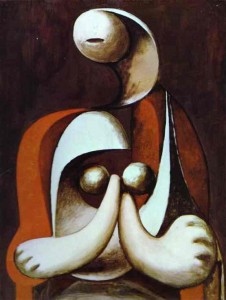
The second reason is that you discover an emerging artist. You find an artist who is painting with authenticity and there seems to be an inherent power in the work. As a buyer of art you are looking for something you like but also for investment, banking on the piece increasing in value as the artist becomes more notable. You buy low with the anticipation of the value increasing. Meanwhile you enjoy the work of art in your home. The art history books are full of intriguing stories of artists selling to a buyer interested in the art piece itself but also for its potential and future value. Often, a very good relationship is established between the artist and the art buyer – a symbiotic relationship.
Buying valuable abstract art however is unfortunately attained only by the wealthy. Too often they are purchasing just for the supposed market value. The artist is already famous, the price is high not only because of its inherent value to the world of abstract art but because it somehow has risen to the top, demanding top dollar. Where does the value come from? From the piece itself, the raw impression or from how society has transformed it into something monetarily valuable?
Buying valuable abstract art for primarily monetary reasons is a concept I have yet to understand. Some critics and investors contend that buying art from well established artists is the best monetary investment possible. I often ask myself if this breeds only more banal abstract art, pointless and unauthentic expression? How often have the art critics and the auction houses literally fooled the public by selling inarticulate paintings that lack force and poignancy for hugely inflated prices? Then when they are sold, we strain to see the value in them – the visual force they are supposed to represent. We are told they are ‘landmark works’ but even the common man can see when in fact the King has no clothes on.
