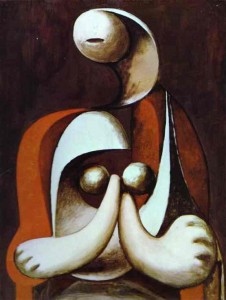
Painting for color and hue is certainly a very valid purpose and reason to paint. Certainly musicians like Bach and Beethoven had to understand the characteristics and values of notes in order to compose. When we paint to understand more fully the many and multitude characteristics of color and hue we are definitely doing something that advances our abilities as artists. Is a theme required? No! One can begin to explore color theory right on the canvas without a subject or theme. The time will not be wasted. 
Yes of course it is helpful to understand basic color theory but this can be found in all the art book primers. I know artists that have memorized all of the many formulas. Nothing however replaces actual working with pigments and placing them side by side. We know for example that the word tint refers to adding white to a pure color. The question of course is how much white to add? Painting side by side along another color you will discover for yourself how much white to add, if any at all. What vibrates…what is more beautiful?
Pink next to green for example does not sound pleasing, yet with the right amount of white added to each, the relationship next to one another can create some wonderful sensations and can in fact bring a painting to life. Cerulean with white added next to a dark umber can be striking. But how would you know without experimenting. I tend to paint smaller canvases just to discover how pigments work together, placed side by side. I might do several smaller canvases before I am comfortable to moving to larger, more mature works. This is the learning process. Little by little you become familiar with all the hues and why Ultramarine is so unique to Cerulean and why those two blues do such different things on a canvas – Ultramarine is always so much better in shadows.