
Latest posts by michael wilson (see all)
- JORDAN RIVER - February 5, 2019
- Inspired Art - August 2, 2018
- Waiting for Inspiration - July 31, 2018
- The Bridge between Painting and Photography - July 31, 2018
Using glazes in oil painting can create a beautiful mood. Recently I painted an early morning landscape scene. Upon completion the colors seemed too vivid and too bright for the affect I was after. I mixed deep dark purple, blue shade with thinners for a glaze. When the paint was dry I brushed this on the entire painting…finishing with a broad brush and kept brushing out until the dark blue glaze was very even across the board. 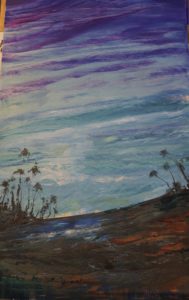
Of course the entire painting was muted, the vivid colors were now subdued with an even misty, early morning patina. This was exactly the affect I was after. This is a good example of how glazing can be used to excellent advantage. It seems as if a dark veil was pulled over the entire painting and all the colors were equally muted which is the look of very early morning just before the sun rises.
If you are reluctant to try glazing, try painting several vivid hues on a small canvas and then mix the soupy glaze of some pure tone. The oil underpainting must be allowed to dry. Make sure it is thin enough to the point where it is almost running down the canvas. I cover the entire piece with the wet brush and then come back with a larger, dry brush and spread it all out even until it begins to set up. Using a small test sample like this will give you confidence for larger, more complex paintings.
The masters would often use multiple glazes. They would also isolate areas and glaze only certain sections of the painting. Glazes not only darken and subdue a painting but can also brighten an area depending on the color you select to create the glaze. Regardless it will be necessary to varnish the entire work upon completion to unify the refractions and to give the final painting a more pleasing finish patina.